


Welcome to the Vocations and Classes overview for Dragon’s Dogma 2.
DD2 has numerous Vocations that you can choose for your Arisen (player character) and Pawns (companions). Vocations follow the same concept as classes in other RPG games – your Vocation determines what your character is good at, which weapons and skills can be used, and how your stats improve as you level up.
On this page, we will provide an overview of the Vocations in Dragon’s Dogma 2. You can click the links below to open the page for each specific Vocation if you want more detailed information about them.
Vocations are split into two different categories: Basic Vocations and Advanced Vocations.
Basic Vocations in Dragon’s Dogma 2
There are four Basic Vocations in Dragon’s Dogma 2. These Vocations can be chosen at the start of the game, during Character Creation. All four are also available for Pawns to use.
Fighter Vocation
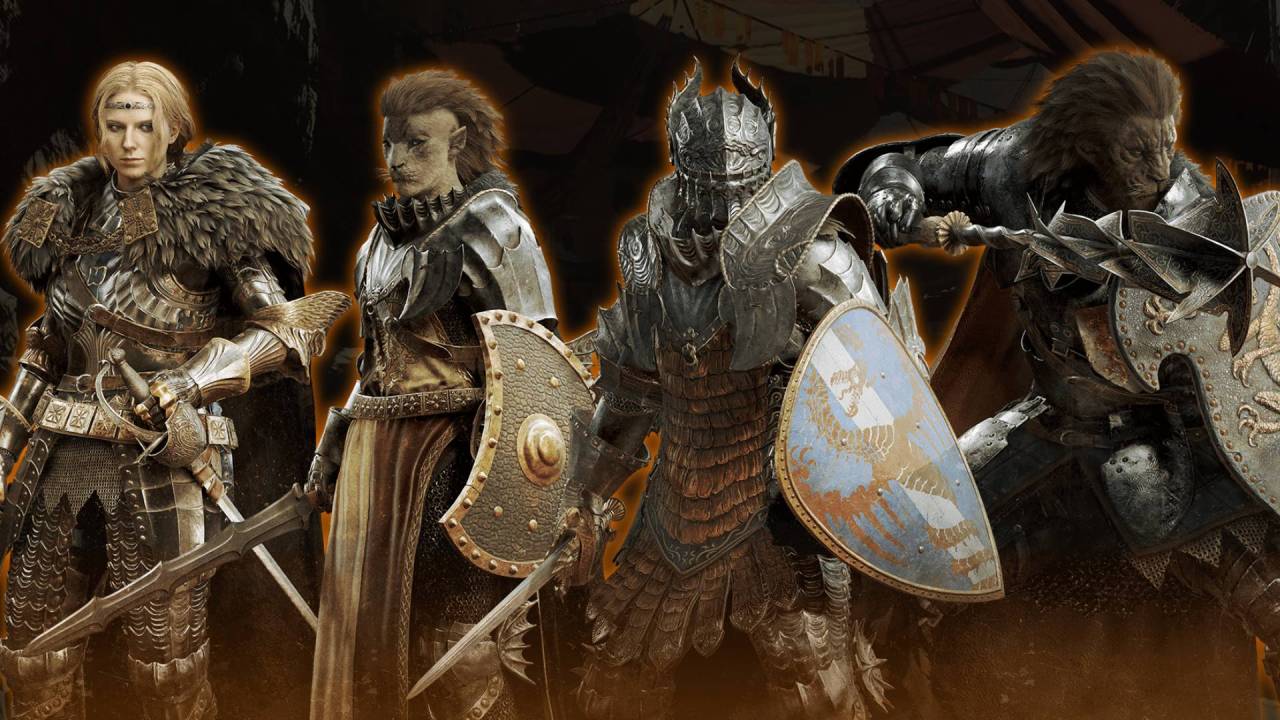
The Fighter Vocation allows you to wield a sword and shield, giving you excellent defensive capabilities that allow you to survive in the midst of battle and attract attention away from your party members. As this vocation is quite defensive-minded, your attacks may not always deal huge amounts of damage, but the versatility afforded to you by your good survivability helps to make up for that.
In essence, the Fighter is a tank that still retains decent, if not spectacular, melee damage output.
Fighter Vocation Guides for Dragon’s Dogma 2:
Archer Vocation
The Archer Vocation is mainly focused on dealing physical damage from long-range with a bow.
Positioning and good situational awareness are very important with the Archer, and it is arguably one of the most difficult Vocations to play in DD2. First-time players might struggle with it to begin with. The archer’s attacks typically don’t deal high damage individually, but their high attack speed can make up for this.
Archer Vocation Guides for Dragon’s Dogma 2:

Thief Vocation
The Thief Vocation is a nimble class, armed with daggers. They are a little fragile, so players will need to make use of their superior mobility to run rings around enemies instead of trying to face-tank every attack.
Thieves are capable of making quick attacks that deal heavy damage, before quickly stepping away before their foe can retaliate. In combat, they typically work best when focusing down one enemy at a time due to their high single-target damage but lack of area damage. They are especially good at taking down bosses and monsters.
Thief Vocation Guides for Dragon’s Dogma 2:

Mage Vocation
The Mage Vocation is the basic spellcaster class of Dragon’s Dogma 2. They wield a staff that can be used to cast a variety of offensive, defensive and supportive spells.
There are two main playstyles that you can try out with the Mage. You can concentrate on dishing out damage by yourself by using an array of powerful offensive magicks, or you can instead focus on buffing and healing your Pawns, enchanting their weapons to deal more damage to enemies. You can of course combine the two playstyles to some degree, if you want to.
Mage players will need to be decent at positioning and have good situational awareness, similar to Archer players. The Mage’s spells take time to cast, so you need to factor that in when in combat. You should do your best to steer clear of strong melee assailants – getting hit while you are casting a spell can cause the spell to fail.
Mage Vocation Guides for Dragon’s Dogma 2:

Advanced Vocations in Dragon’s Dogma 2
Now that we’ve covered the Basic Vocations, we can take a look at the Advanced ones. These are not available from the start of the game, but can be picked up later on. There are currently two Advanced Vocations in DD2, and both of them are available for Pawns too.
Warrior Vocation
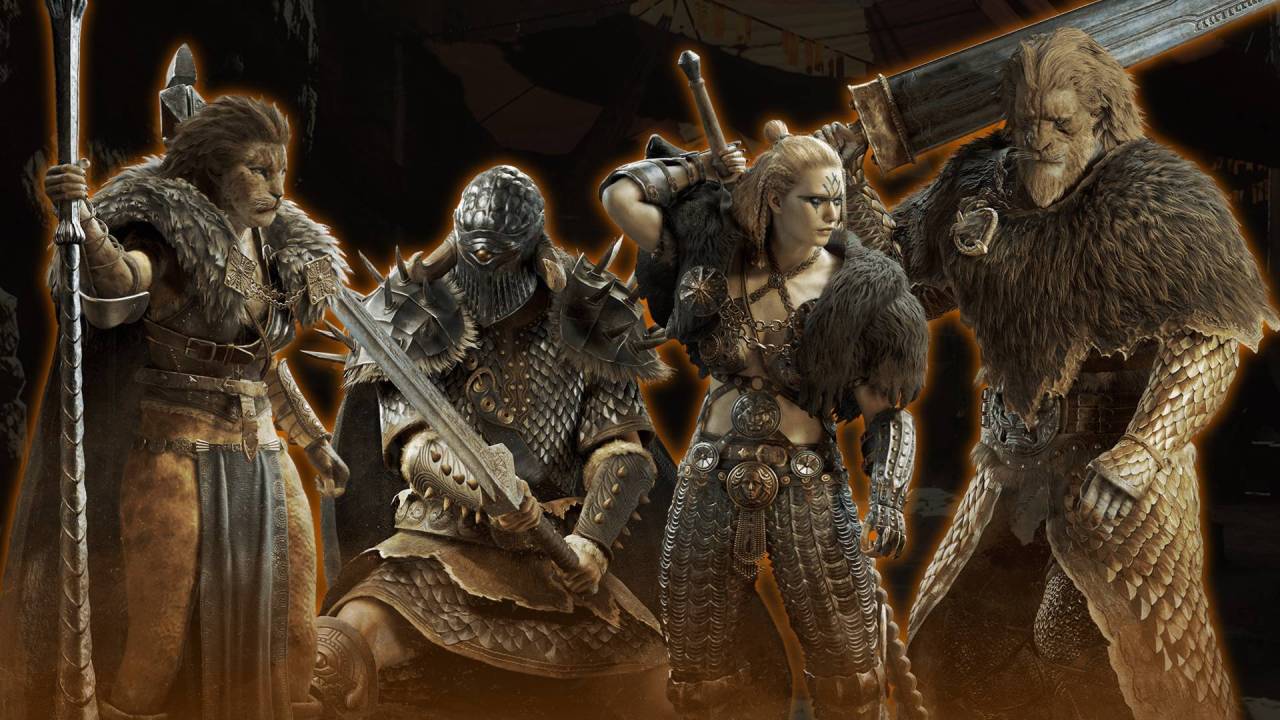
Like the Fighter, the Warrior is focused on frontline melee combat. However, the Warrior prefers to use a heavy two-handed weapon to deal high burst damage to enemies. Giving up the Shield of the Fighter Vocation naturally reduces your defensive ability by some margin, but you will instead make up for it with your devastating melee capabilities. The Warrior isn’t “squishy” either, it’s just not quite as durable as the Fighter.
Warriors can carry out powerful charged attacks that can prove ruinous for their opponents.
Warrior Vocation Guides for Dragon’s Dogma 2:
Sorcerer Vocation
The Sorcerer is similar to the Mage, but leans more in the direction of offensive magic. They can charge up mighty spells that deal massive AOE damage to their enemies.
The powerful spells wielded by Sorcerers take a long time to charge, so positioning is even more important with this Vocation. It can be really tricky to get to grips with, but once you get used to it the Sorcerer can be an extremely strong class that dominates the battlefield with their magicks.
Sorcerer Vocation Guides for Dragon’s Dogma 2:

Hybrid Vocations in Dragon’s Dogma 2
Hybrid Vocations are similar to Advanced Vocations in the sense that they are more advanced than the four basic vocations. However, while Advanced Vocations further specialise in a specific playstyle, Hybrid Vocations instead combine the playstyle of two or more Basic Vocations to create new ways of playing the game.
Unlike the previously mentioned Vocations, Hybrid Vocations are not available for Pawns, and can only be used by the Arisen.
Magick Archer Vocation
The Magick Archer infuses the Archer Vocation with magical abilities. They can shoot magical arrows to deal extra damage and are also able to support and heal their allies in a similar way to Mages and Sorcerers, although they are not as adept at this as dedicated spellcasters.
The Magick Archer can reduce their HP to cast powerful AOE spells that can turn the tide of battle, making them a high-risk, high-reward Vocation. This probably isn’t a great Vocation for beginners (unless you really want a challenge) but in the hands of a careful and skilled player, it can be very strong indeed.
Magick Archer Vocation Guides for Dragon’s Dogma 2:

Mystic Spearhand Vocation
The Mystic Spearhand wields a special weapon, the Duosphere. They are primarily a melee combatant, but they have some magical abilities that can either be used to deal damage from range or empower their melee attacks.
Players with the Mystic Spearhand Vocation can debuff enemies, potentially paralysing them, or use magick to hurl objects at opponents.
Mystic Spearhand Vocation Guides for Dragon’s Dogma 2:

Trickster Vocation
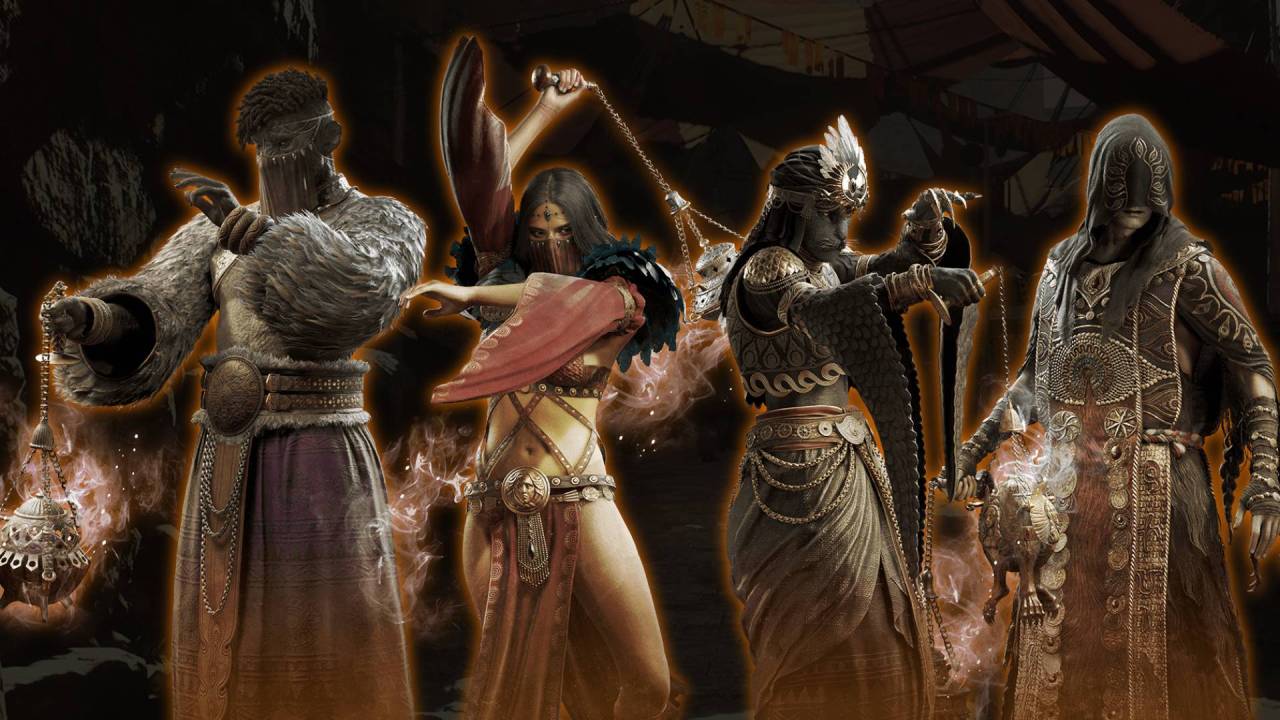
The Trickster wields a Ceremonial Censer in combat. They are able to warp the smoke from their censer into illusions that can confuse their foes. This can be used to taunt enemies, cause them to attack each other, or make them attack an illusory copy of the Arisen.
Tricksters also have some defensive and supportive magic, similar to that wielded by Mages. The Trickster Vocation is very well-suited to a support role, as your attacks aren’t especially damaging, but you have a plethora of ways in which you can mess with enemies and buff your Pawns.
Trickster Vocation Guides for Dragon’s Dogma 2:
Warfarer Vocation
The Warfarer works a little differently to the other Hybrid Vocations in DD2. The Warfarer can use any weapon they like, and learn skills and abilities from across all Vocations, allowing you to pick and choose what you want to create a truly unique vocation for your character.
When built carefully, it is likely that the Warfarer will have more versatility than any other class, however this will come at the cost of being less specialized in each discipline compared to the Vocations that focus solely on a particular weapon and playstyle.
Warfarer Vocation Guides for Dragon’s Dogma 2:

We hope you found this Vocation Class Overview for Dragon’s Dogma 2 useful.
Please visit the Dragon’s Dogma 2 Category for more content on DD2.